From The Matrix to Astro Boy: How Cultural Narratives Shape AI Perceptions

From Frankenstein to The Terminator, imaginings of tech and AI are everywhere. In Western culture – these imaginings are largely dystopian – depicting nightmarish worlds where humans are at the peril of our AI counterparts.
From a Semiotics perspective, this media is powerful in how they shape our beliefs and opinions – both creating & echoing cultural ‘myths’. In this case, deep anxiety around AI. However, if we compare media across markets, we can unveil differing myths & collective beliefs.
In this article, we compare how ‘AI’ shows up in Eastern vs. Western popular culture, helping you understand differing tech adoption levels, whilst also offering insight into new, more optimistic ways of symbolising AI.
Embracing AI: The East Asian Perspective
Whether it’s the widespread acceptance of robots in daily life throughout Japan or the integration of AI within entertainment in South Korea, it is clear overall perceptions of AI are more positive. Indeed 80% of people in China are excited for products and services that use AI vs. only 34% in the US. Likewise, 44% of the UK population believe ‘AI development is a bad thing’ vs. only 17% in Japan.
These differences are rooted in a combination of cultural, historical, and societal factors:
Philosophical influences such as Confucianism and Shintoism promote harmony and acceptance toward technological innovation and advancement.
Post-war industrialisation and economic policies in Japan, South Korea, and China put technological advancement at the heart of national progress.
High urbanisation rates and complex infrastructures necessitate and support widespread tech adoption.
A growing aging population and lower birth rates in countries like Japan encourage the need for AI and robotics in addressing workforce shortages and elderly care.
In comparison, Western cultures often emphasise individuality, privacy and autonomy, leading to more cautious and critical attitudes towards new technologies.
Cultural Narratives of AI: From The Matrix to Astro Boy
Comparing cultural media between the East and the West, we can see a significant difference in the way AI is portrayed. Cult classics like ‘The Terminator’ and ‘The Matrix’ depict AI as having a formidable nature. It poses an existential threat to humanity, causing dystopian scenarios where humans lack control over technology. A more recent example is ‘Black Mirror’, which encourages the viewer to question the ethics of using AI as well as explore the range of negative implications it can have in our lives.

Films from the 70s to early 00s often depict AI as inaccessible and complex. A stoic central protagonist carries the weight of the story alone, as humans and AI work against each other in a bid for control.
In Japan, examples of AI showcase more whimsy & playfulness. Robots like ‘Astro Boy’ and ‘Doraemon’ integrate into human society to be helpful and provide companionship. Astro Boy, a robot with human emotions and a sense of justice, wants to live the life of an average boy all while having superhuman abilities. Doraemon, a friendly robot cat from the future who assists a young boy, displays AI in a more magical context full of child wonderment as Doraemon embarks on his adventures.
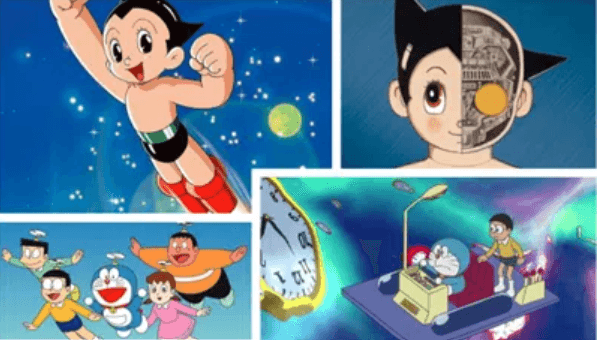
Manga series from the 50s and 60s that were later adapted into anime. AI characters are shown as cute and colourful protagonists that aid humans in going on adventures and exploring day to day curiosities. These portrayals of AI are more innocent carefree and casual, showing the mutual benefit the technology presents.
The contrasting examples thus reflect and reinforce cultural attitudes, or ‘myths’, with Western media often inciting wariness and Eastern media promoting trust and enthusiasm towards AI.
AI and the Brand Universe
For brands, it’s important to be aware of these cultural ‘myths’ that surround particular categories, as we are at risk of unknowingly perpetuating them into brand-comms – delivering unwanted messages to consumers.
For example, the Dyson Zone has been labelled ‘dystopian’ by both critics and consumers. Reviewers describe feeling like a ‘supervillain’ when wearing the mask, faced with a sea of alienating stares from the general public – reminiscent of ‘baddies’ like Bane in ‘The Dark Night Rises’.
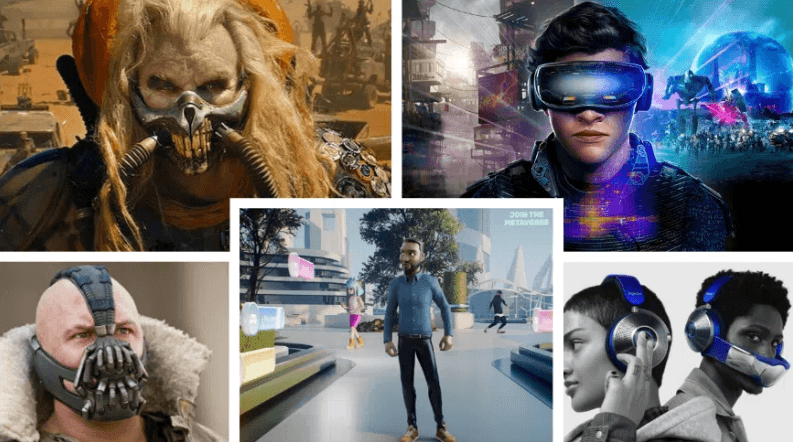
However, East Asian brands often take a fun and playful approach to positioning AI products and marketing their brand, whether as a cute AI virtual assistant, virtual clothing models or vibrant chatbots. LINE, a popular messaging platform in South Korea, has released an AI smart speaker as resembling characters that are part of the LINE brand (Brown and Sally), as well as other popular characters like Doraemon.
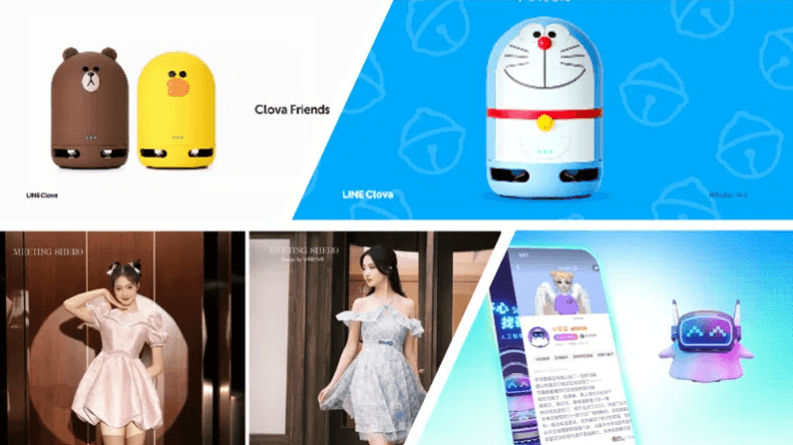
Users liken the experience to ‘speaking to a friend’. AI Goudan on the popular social media platform ‘Soul’ serves a powerful AI chatbot that focuses on discovering the ‘inner self’ of the user and establishing a genuine connection. The platform found that users on average would send 70 messages daily, with each interaction lasting 30 minutes. This more accessible and casual approach by brands means East Asian consumers are more willing to embrace AI as it integrates into everyday life.
Key Takeaways
Harnessing cultural narratives: Use positive cultural narratives to position AI products, highlighting benefits such as increased convenience, personalisation, and efficiency that are more relevant to the consumers day to day lives. Brands can go further and help demystify AI to encourage consumer usage by aligning technology with cultural values and needs.
The art of the ‘’soft launch’’: ‘Soft Launch’ new technologies into culture – where they gradually introduce themselves through media and public discourse. This gradual familiarisation will help reduce fear of the unknown and build a sense of normalcy. E.g. AI in everyday contexts, such as smart assistants in homes or automated customer service, can make the idea of AI less intimidating and more approachable and casual.
Inspiration Without Imitation: Take inspiration and learn from other cultures where AI has more positive perceptions – to excite consumers with this emerging technology. However, it is essential to recognise cultural nuances and avoid a simple “copy and paste” approach. Respect the cultural comfort levels of consumers to ensure acceptance and avoid alienation.